Business Name: FootPrints Home Care
Address: 4811 Hardware Dr NE d1, Albuquerque, NM 87109
Phone: (505) 828-3918
FootPrints Home Care
FootPrints Home Care offers in-home senior care including assistance with activities of daily living, meal preparation and light housekeeping, companion care and more. We offer a no-charge in-home assessment to design care for the client to age in place. FootPrints offers senior home care in the greater Albuquerque region as well as the Santa Fe/Los Alamos area.
4811 Hardware Dr NE d1, Albuquerque, NM 87109
Business Hours
Monday thru Sunday: 24 Hours
Facebook: https://www.facebook.com/FootPrintsHomeCare/
Instagram: https://www.instagram.com/footprintshomecare/
LinkedIn: https://www.linkedin.com/company/footprints-home-care
Families rarely sit down to compare care choices in the abstract. The conversation usually begins after a fall, a health center stay, or a worrying phone call in the middle of the night. Somebody says, "We can't keep going like this," and suddenly you are weighing elder care at home against nursing home positioning, often under pressure and with incomplete information.
I have actually walked through this decision with lots of families, and the same three questions come up each time:
Is it safe?
Will my parent consume well? Will they still have a life that feels worth living?Those 3 lenses - safety, nutrition, and quality of life - are far more practical than simply asking, "Home care or nursing home?" As soon as you truly understand how each setting works in these areas, the ideal direction typically becomes clearer.
What "Home Care" Really Means
The expression "home care" sounds simple, but in practice it can vary from a few hours of help each week to 24-hour in-home care with a turning team.
In-home senior care normally concentrates on non-medical support: bathing, dressing, light housekeeping, transport, companionship, and often standard health keeping track of such as blood pressure checks or pointers for medications. Accredited nurses can be added through home health services when there are medical needs such as wound care, injections, or complex chronic conditions.
Good senior home care is developed around the individual's existing life. The caregiver steps into their home, their kitchen, their community routines. That is an effective advantage for many older grownups, particularly those dealing with mild to moderate dementia who feel anchored by familiar surroundings.
In practice, home care for parents typically begins small. A daughter may bring in assistance for showering twice a week because she is afraid of her father slipping. Or a boy may work with an Albuquerque home care agency for night supervision after Mom leaves the range on one too many times. The crucial point: home care can be scaled up or down, and changed as requirements alter, without rooting out the person.
What Nursing Homes Really Provide
Nursing homes, or skilled nursing centers, are medical institutions first and homes second. That does not suggest they are cold or unconcerned by default, however their structure is driven by policy, staffing patterns, and clinical needs.
They generally use:
- 24-hour nursing guidance On-site or on-call physicians and therapists Medication administration and tracking Assistance with all activities of daily living for locals who require it
In the best facilities, you will see attentive staff, consistent aides who understand homeowners well, and activities that go beyond bingo. In weaker facilities, you might see turning company personnel, long action times to call lights, and residents spending too much of the day in bed or parked in front of a television.
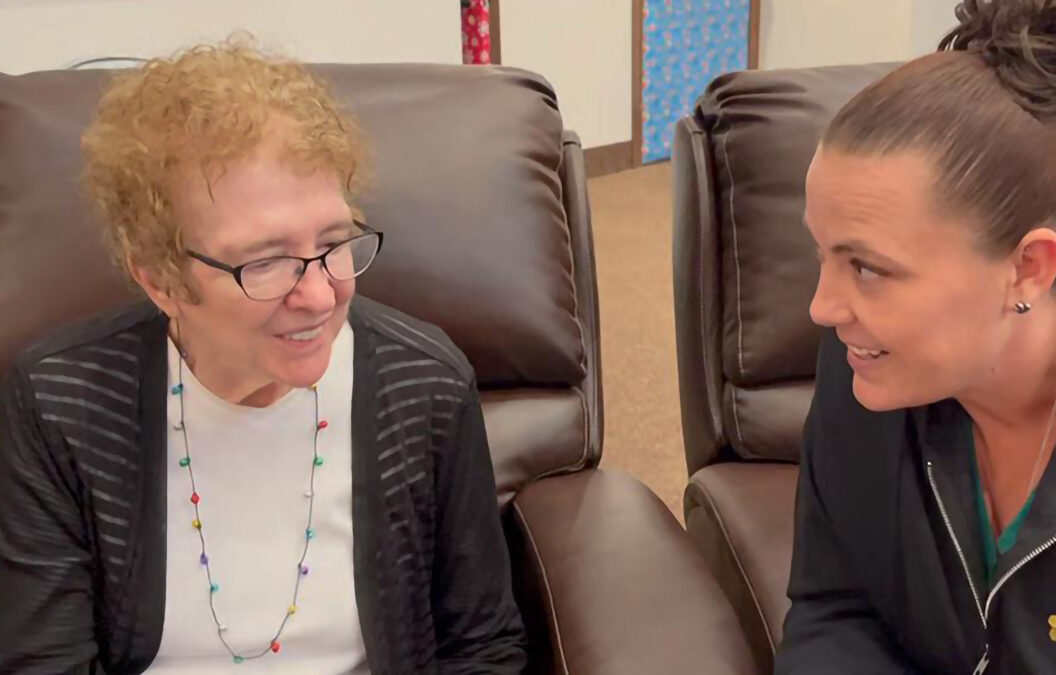
Nursing homes can be the right option when somebody requires intensive medical management or hands-on help nearly around the clock. The compromise is lowered personal privacy, less control over regimens, and an environment that should balance the safety of lots of residents at once.
Safety: The Most Emotional Part of the Decision
Safety is the pressure point that pushes numerous families to think about modification. A single fracture from a fall can modify the course of an older adult's life.
The mistake I see frequently is considering safety as a binary. Households think of that staying at home is risky, while https://elliotzpmf442.fotosdefrases.com/the-value-of-personalized-in-home-care-plans-for-senior-health-and-hygiene nursing homes are safe by style. Reality is more nuanced. Both environments bring dangers, they are simply different.
Safety at Home: Threats and Hidden Strengths
At home, the physical environment can usually be customized. Get bars, non-slip floor covering, getting rid of clutter, improving lighting, and adding a shower chair or raised toilet can significantly lower fall threat. Lots of homes can be brought much closer to the safety standards of assisted living with a few thousand dollars in adjustments and the ideal planning.
The more difficult piece is guidance. If your father forgets his walker every time he goes to the restroom, is someone there to remind him? If your mother with dementia opens the front door to "go to work," who notices?
Modern in-home care uses a combination of human presence and innovation. Households frequently combine part-time caretakers with door alarms, motion sensors, or medication dispensers that signal a family member or care coordinator when doses are missed out on. For some older adults, this hybrid method works extremely well. The individual stays at home, however no longer resides in an unmanaged environment.
I dealt with a household in Albuquerque whose mother had moderate dementia and osteoporosis. She was identified to remain in the same home she had lived in for 40 years. We scheduled a caregiver to be there from 7 a.m. To 7 p.m., set up grab bars, eliminated toss carpets, and utilized a bed alarm during the night connected to her boy's phone. In the very first six months, she had no falls and her stress and anxiety dropped since she felt "took care of" without being moved.
The restraint is expense and family capability. 24-hour in-home care is extensive and, in numerous markets, more expensive than a nursing home. If someone truly can not be left alone for any period, you are either looking at 3 shifts of caretakers or a dedicated household rotation. That is sustainable for some households and difficult for others.
Safety in Nursing Homes: Oversight with Trade-offs
On paper, nursing homes have the advantage: staff are available all day and night, and the structure is created for wheelchairs, walkers, and medical devices. Bed rails, low beds, and call lights are standard. There is no stress over driving to consultations or climbing up stairs.
The threats in a center look various. Understaffing can imply postponed reactions to call lights. Homeowners might try to get up on their own if nobody comes rapidly, which triggers falls in exactly the population most at threat. It is not unusual for state inspections to mention homes for insufficient supervision or failure to avoid avoidable falls or pressure sores.
Infections are another point to think about. In a common environment, respiratory viruses, norovirus, and urinary tract infections spread more easily. A fairly independent older grownup might be physically safe from home hazards, yet exposed to the scientific threats of institutional living.
The best question is not, "Which location is safe?" but "Which dangers are we more able to handle, provided this individual's needs and our resources?"
Nutrition: Who Really Consumes Better?
Many households are amazed when they look closely at consuming patterns. They assume nursing homes use much better nutrition since meals are ready consistently and kept track of. That can be real, however not always.
Eating at Home: Familiar Kitchens, Real Preferences
Older adults typically eat better when food feels familiar and enticing. In-home care can protect enduring choices: the green chile stew a customer in Albuquerque matured with, the specific tea your mother likes in the afternoon, the cereal your father has actually eaten for 30 years. These information matter.

Caregivers who provide home care for parents quickly learn what works and what gets left on the plate. If a customer tends to graze instead of eating large meals, the caretaker can adjust and provide smaller, more frequent treats. If dentures hurt, meals can shift to softer foods without awaiting a dietician's order.
Hydration is much easier to personalize as well. A good in-home caretaker will keep a water bottle within reach, offer drinks frequently, and notification if intake drops. For a senior with mild amnesia, gentle triggering in a relaxed environment beats watching a hurried aide place a cup of water on a tray and move on.
I once dealt with a gentleman whose weight had actually stopped by almost 15 pounds while he remained in a center. He disliked the institutional food and skipped breakfast routinely. At home, with a senior home care assistant preparing fresh tortillas, eggs, and his favored fruit, he gained back 8 pounds over three months without any nutritional supplements. The difference was not some special diet plan, it was taste and attention.
The drawback in the house is disparity if the care strategy is weak. If member of the family or caregivers do not coordinate, you can see spaces: no one tracking weight, no one recognizing that meals are getting avoided when the person is tired. This is where professional in-home senior care, with supervisors who evaluate notes and change plans, ends up being important.
Eating in Nursing Homes: Structure, Monitoring, and Limits
Nursing homes use arranged meals, typically 3 times a day, prepared in a main kitchen. Dieticians design menus to fulfill basic nutritional standards, and restorative diet plans such as diabetic or low-sodium choices are common.
The advantage is consistency. Staff record intake, and significant weight changes set off reviews. Locals who are extremely frail or have swallowing problems often get specific attention, such as pureed diet plans or thickened liquids, that are difficult to manage correctly at home.
However, institutional food has integrated constraints. Meals need to be prepared in bulk, certified with regulations, and served on a timetable. Staff are balancing lots of requirements in a dining room. If your parent consumes slowly, they might feel hurried. If they are a particular eater, there may be limited alternative choices.
Families should pay very close attention to the dining experience during visits. Is personnel available to assist somebody who deals with utensils? Are homeowners engaged and chatting, or silently consuming in rows? Do trays look tasty, or is food left untouched?
Nutrition is not only about nutrients, it has to do with self-respect and pleasure. Some senior citizens love the structure of center meals, specifically if isolation in your home was suppressing hunger. Others consume less in a center since the environment feels foreign or because nobody understands that they really just like oatmeal with cinnamon, not plain.
Quality of Life: Daily Life, Identity, and Connection
If safety and nutrition are the foundation, lifestyle is the architecture on top. It is what figures out whether your parent feels like they are still living, not merely being kept alive.
Independence and Control
At home, even with considerable assistance, older grownups usually retain more control over their routines. They can wake when they pick, consume at the time they choose, and keep personal possessions set up as they like. In-home care tends to be developed around their existing routines, not the other way around.
For someone who cares deeply about personal privacy or who dislikes group activities, this can be invaluable. Lots of seniors will accept help more easily when it does not need them to quit their space.
In a nursing home, individual choice has to fit within the facility's schedule. Bathing may take place on assigned days, within particular hours. Breakfast is not readily available all morning. Lights-out times and sound standards are set with the neighborhood in mind. Some facilities stretch to accommodate choices, others less so, but there are always constraints.
On the other hand, a person whose home has actually become a source of stress, clutter, or seclusion might feel relieved to have predictable routines decided for them. I have seen senior citizens noticeably relax when meals appear without anybody in the household arguing about who cooks, or when medication is no longer a day-to-day negotiation.
Social Connection and Emotional Health
Loneliness is a quiet health threat, connected with depression, cognitive decline, and even greater death. It plays out in a different way at home and in nursing homes.
At home, social life depends on household, next-door neighbors, community participation, and whatever contact caregivers provide. In a city like Albuquerque, where many adult children reside in various neighborhoods or perhaps out of state, in-home care can end up being the primary daily companionship for an older adult.
When you discover a good match, the relationship between caretaker and client can be deep and significant. I have actually enjoyed caregivers discover a customer's preferred tunes and sing with them during dishwashing, endure old image albums, and accompany them to the exact same local café every Thursday. This kind of one-to-one connection is difficult to reproduce in an institutional setting.
The danger in the house is that, without planning, an elder can still invest long hours alone in between visits. Tv may end up being the main business. With time, even a safe and nutritionally sufficient home can develop into a mentally thin life.
Nursing homes, by contrast, supply proximity to other individuals almost all the time. There are shared meals, group activities, and casual interactions in corridors. For some citizens, especially extroverted personalities, this is energizing. They take pleasure in bingo, spiritual services, workout groups, and the basic act of being around others.
Yet being surrounded by individuals does not ensure connection. High personnel turnover, language barriers, and homeowners with innovative dementia can leave a fairly intact elder sensation lonesome in a crowd. Observing the culture of a nursing home during different times of day is critical. Are personnel engaging locals by name? Are activities varied and well participated in, or perfunctory?
When Each Alternative Fits Best
Decisions are hardly ever pure. Lots of households blend durations of in-home care with short rehab remains or short-lived nursing home placements after surgery or health problem. Still, specific patterns emerge in practice.
Here is a useful method to consider fit:
- Home care is generally greatest when the older grownup still recognizes their home, can take part in their regimens with help, and has at least some safe durations alone, or family going to fill gaps In-home senior care works especially well when the main requirements are assist with daily jobs, guidance for mild to moderate dementia, transport, and companionship, instead of continuous experienced nursing Nursing homes are frequently the safer choice when somebody needs complicated treatment, regular tracking for unstable conditions, or complete assistance to transfer, toilet, and eat that would overwhelm a single caretaker at home For households already exhausted by years of caregiving, a good center can restore relationships by shifting the adult kid's function from hands-on assistant to advocate and visitor For seniors who passionately worth staying in their own space, are relieved by familiar environments, and end up being distressed in institutional settings, purchasing robust home care and environmental safety may deserve significant effort and cost
No list can record every nuance, but if you find your parent fits a number of points in one cluster, that alternative should have major attention.
Regional Realities: A Note on Albuquerque and Similar Communities
Care alternatives are never ever just medical. They are also geographic.
In locations like Albuquerque, the mix of an aging population and spread-out neighborhoods changes the formula. Driving ranges, minimal mass transit, and durations of severe heat all influence safety. An older adult who insists on walking to the shop in July might be more at threat than their counterpart in a dense, temperate city.
Local Albuquerque home care firms, when well run, often know these truths thoroughly. They prepare going shopping trips early in the morning, expect dehydration in the summer, and collaborate with regional clinics knowledgeable about senior needs. They might also know which close by nursing homes have more powerful credibilities, much shorter call-light times, or much better wound-care outcomes.
When comparing elder care alternatives, ask suppliers particularly how they account for local factors. That could consist of weather, area safety, hospital proximity, or even cultural preferences, such as experience serving Native American or Hispanic seniors with particular language and food traditions.
Money, Household Capacity, and Caretaker Burnout
A sincere comparison has to deal with cost and strain on the family.
On a monthly basis, part-time home care is generally more budget-friendly than a nursing home. A couple of hours a day can stabilize a scenario at a portion of institutional costs. Nevertheless, 24-hour home care, particularly through a firm, can exceed the cost of center care, particularly in metropolitan markets.
Families sometimes attempt to "patchwork" care to manage costs: a little agency assistance, plus relatives filling the rest of the hours. This can work if expectations and communication are strong. It stops working if every brother or sister assumes someone else is covering Tuesday nights or if the main caretaker never gets respite.
I have seen adult kids push themselves far beyond healthy limits, driven by regret or pledges made years previously. Caretaker burnout results in mistakes, animosity, and illness for the caretaker. When that occurs, what was intended as the loving option can wind up hurting everyone.
Nursing homes, while expensive, consolidate care into a foreseeable monthly charge and get rid of much of the everyday labor from the family. That can release relatives to focus on emotional support, advocacy, and visits, instead of bathing, lifting, or arguing over medications.
The secret is to weigh both monetary and human resources. Ask yourself bluntly:
If nothing modifications, who will be stressed out or broke a year from now?
If we accept aid, what does that protect - our health, our relationship with our parent, their sense of self?There is no single right response, but there are responses that are more sustainable than others.
A Practical List for Households Choosing In Between Home Care and Nursing Homes
When I sit with households, we work through a set of concrete questions rather than abstract perfects. Utilize these triggers as you talk with siblings, companies, and your parent:
- Safety: Can this person be securely alone for any stretch of time? Where have mishaps or close calls really took place in the last 6 months? Health requirements: Exist medical tasks that realistically require competent nursing, or could a visiting nurse plus at home caretakers manage them? Eating and drinking: Where does this person eat more, and with more enjoyment - at home with familiar foods or in structured settings? Have there been weight modifications? Mood and connection: Where does your parent appear more alive, engaged, or at ease? What setting decreases stress and anxiety rather than increasing it? Family capacity: Who is really available to assist, on which days, and for how many months at this level? Does the selected strategy have integrated respite, not just wishful thinking?
Write down honest responses. Patterns usually emerge, and those patterns point more clearly towards either building up assistance in your home or exploring center positioning with open eyes.
Elder care choices are seldom tidy, and many families review them more than when. Somebody may start with a couple of hours of in-home care, later on shift to full-time senior home care, then ultimately relocate to a nursing home after a significant stroke or sophisticated dementia. Each shift shows a new balance in between safety, nutrition, and quality of life.
If you remain anchored to those 3 top priorities, listen to what your parent worths, and remain sensible about your own limits, you are much more most likely to arrive at a strategy that is not just clinically sound but also humane. Whether that winds up being robust care at home, a thoughtful nursing home choice, or some mix gradually, it can still honor the person your parent has always been.
FootPrints Home Care is a Home Care Agency
FootPrints Home Care provides In-Home Care Services
FootPrints Home Care serves Seniors and Adults Requiring Assistance
FootPrints Home Care offers Companionship Care
FootPrints Home Care offers Personal Care Support
FootPrints Home Care provides In-Home Alzheimer’s and Dementia Care
FootPrints Home Care focuses on Maintaining Client Independence at Home
FootPrints Home Care employs Professional Caregivers
FootPrints Home Care operates in Albuquerque, NM
FootPrints Home Care prioritizes Customized Care Plans for Each Client
FootPrints Home Care provides 24-Hour In-Home Support
FootPrints Home Care assists with Activities of Daily Living (ADLs)
FootPrints Home Care supports Medication Reminders and Monitoring
FootPrints Home Care delivers Respite Care for Family Caregivers
FootPrints Home Care ensures Safety and Comfort Within the Home
FootPrints Home Care coordinates with Family Members and Healthcare Providers
FootPrints Home Care offers Housekeeping and Homemaker Services
FootPrints Home Care specializes in Non-Medical Care for Aging Adults
FootPrints Home Care maintains Flexible Scheduling and Care Plan Options
FootPrints Home Care is guided by Faith-Based Principles of Compassion and Service
FootPrints Home Care has a phone number of (505) 828-3918
FootPrints Home Care has an address of 4811 Hardware Dr NE d1, Albuquerque, NM 87109
FootPrints Home Care has a website https://footprintshomecare.com/
FootPrints Home Care has Google Maps listing https://maps.app.goo.gl/QobiEduAt9WFiA4e6
FootPrints Home Care has Facebook page https://www.facebook.com/FootPrintsHomeCare/
FootPrints Home Care has Instagram https://www.instagram.com/footprintshomecare/
FootPrints Home Care has LinkedIn https://www.linkedin.com/company/footprints-home-care
FootPrints Home Care won Top Work Places 2023-2024
FootPrints Home Care earned Best of Home Care 2025
FootPrints Home Care won Best Places to Work 2019
People Also Ask about FootPrints Home Care
What services does FootPrints Home Care provide?
FootPrints Home Care offers non-medical, in-home support for seniors and adults who wish to remain independent at home. Services include companionship, personal care, mobility assistance, housekeeping, meal preparation, respite care, dementia care, and help with activities of daily living (ADLs). Care plans are personalized to match each client’s needs, preferences, and daily routines.
How does FootPrints Home Care create personalized care plans?
Each care plan begins with a free in-home assessment, where FootPrints Home Care evaluates the client’s physical needs, home environment, routines, and family goals. From there, a customized plan is created covering daily tasks, safety considerations, caregiver scheduling, and long-term wellness needs. Plans are reviewed regularly and adjusted as care needs change.
Are your caregivers trained and background-checked?
Yes. All FootPrints Home Care caregivers undergo extensive background checks, reference verification, and professional screening before being hired. Caregivers are trained in senior support, dementia care techniques, communication, safety practices, and hands-on care. Ongoing training ensures that clients receive safe, compassionate, and professional support.
Can FootPrints Home Care provide care for clients with Alzheimer’s or dementia?
Absolutely. FootPrints Home Care offers specialized Alzheimer’s and dementia care designed to support cognitive changes, reduce anxiety, maintain routines, and create a safe home environment. Caregivers are trained in memory-care best practices, redirection techniques, communication strategies, and behavior support.
What areas does FootPrints Home Care serve?
FootPrints Home Care proudly serves Albuquerque New Mexico and surrounding communities, offering dependable, local in-home care to seniors and adults in need of extra daily support. If you’re unsure whether your home is within the service area, FootPrints Home Care can confirm coverage and help arrange the right care solution.
Where is FootPrints Home Care located?
FootPrints Home Care is conveniently located at 4811 Hardware Dr NE d1, Albuquerque, NM 87109. You can easily find directions on Google Maps or call at (505) 828-3918 24-hoursa day, Monday through Sunday
How can I contact FootPrints Home Care?
You can contact FootPrints Home Care by phone at: (505) 828-3918, visit their website at https://footprintshomecare.com, or connect on social media via Facebook, Instagram & LinkedIn
The Albuquerque Museum offers a calm, engaging environment where seniors can enjoy art and history — a great cultural outing for families using in-home care services.